
The Three Layers of Skin and What They Do

📖 Table of Contents
- The Epidermis: Your Skin's Outer Armor
- The Dermis: Where Collagen and Elasticity Live
- The Hypodermis: Your Skin’s Natural Cushion
- How the Three Layers Work Together
- Common Misconceptions About the Three Layers of Skin
- The Importance of Skincare Routines for Each Layer
- How Aging Affects the Three Layers of Skin
- The Role of Nutrition in Supporting Skin Layer Health
- Make It Your Way
- Frequently Asked Questions
I used to believe that taking care of my skin was all about the products I applied on the surface — the serums, the moisturizers, the makeup. I didn't realize that what was happening beneath my skin was just as important, if not more. It wasn't until I took a deep explore understanding the three layers of skin that I began to see how much of my skincare routine was missing the mark.
My skin had always been sensitive and prone to breakouts, and I had tried countless products that promised to 'renew' or 'transform' my complexion. But none of them worked long-term. It wasn't until I learned about the epidermis, dermis, and hypodermis that I saw the bigger picture. Understanding how each layer functions and what they need is the key to truly healthy skin.
Once I grasped how the three layers of skin work together, I started making more informed choices about my skincare routine. I realized that what I was applying to the surface wasn't enough — I needed to support the deeper layers as well. This new understanding changed how I approached my skincare, and my skin has never looked better.
Why You'll Love This Guide
- Learn to target each layer with precision for better results
- Understand how to support your skin's natural defenses
- Avoid common mistakes that damage your skin's structure
- Build a routine that nourishes the entire skin from the inside out
The Epidermis: Your Skin's Outer Armor
As of November 2026, the epidermis is like the skin’s first line of defense, constantly renewing itself to keep harmful substances out and moisture in. This layer is what you see when you look in the mirror — it's the part that's visible, touchable, and responsible for the texture and tone of your skin.
Every day, your epidermis sheds around 30,000 to 40,000 dead skin cells, which is why regular exfoliation is so important. Without this process, dead skin cells can build up, leading to dullness and clogged pores. Understanding this helps explain why gentle exfoliation can transform your skin’s appearance in just a few weeks.[1]
When I started exfoliating twice a week with a gentle chemical peel, I noticed a visible difference in just four weeks — my skin looked brighter, smoother, and more even-toned. This is the power of targeting the epidermis directly.
Use a chemical exfoliant 2–3 times a week. Avoid physical scrubs that can cause microtears. Look for products with AHAs or BHAs to help lift dead skin cells without irritating the skin.
Part of our Skincare layering guide.
The Dermis: Where Collagen and Elasticity Live
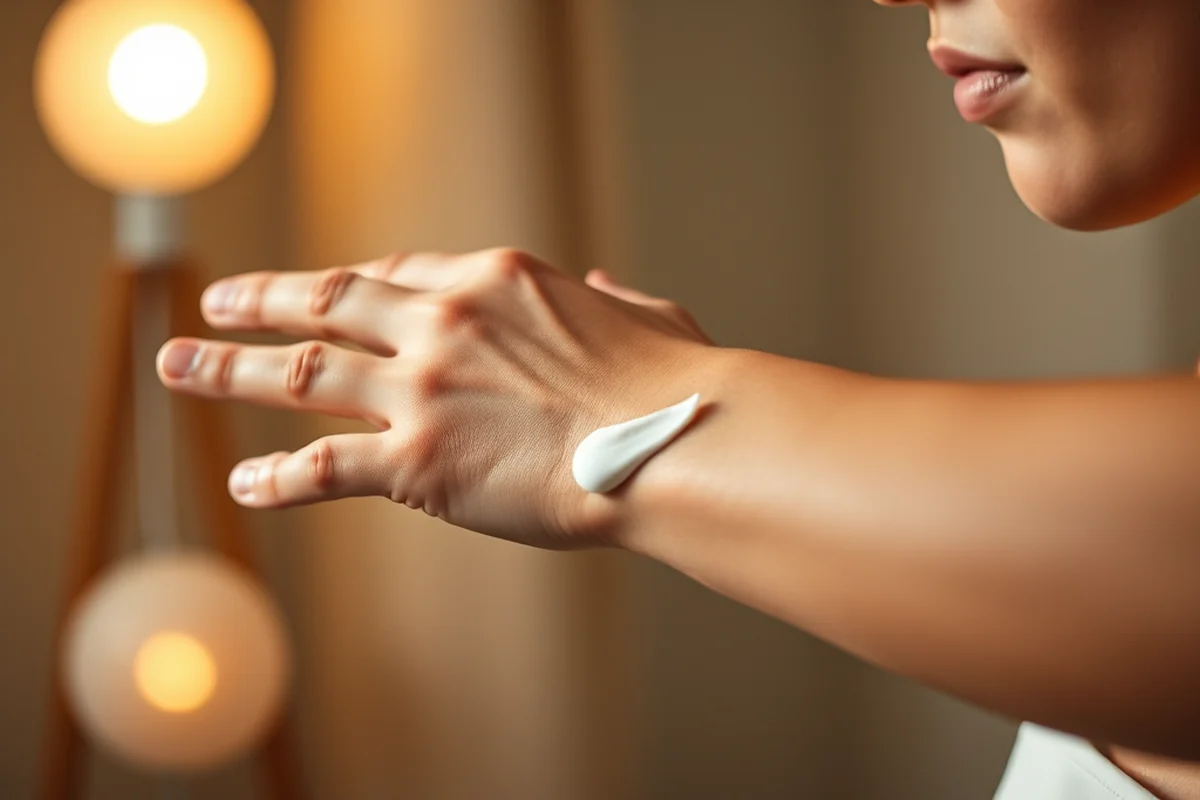
Beneath the epidermis lies the dermis, a thick layer of connective tissue that contains collagen, elastin, and blood vessels. This is where the real work of maintaining skin health happens — the dermis is what keeps your skin firm, supple, and resilient.
Collagen and elastin are like the glue and elastic of your skin. Without them, skin loses structure and develops wrinkles. This is why, as we age, the dermis begins to thin and lose these essential proteins. Supporting this layer is crucial for long-term skin health.
I've noticed that using a retinoid in the evening has helped boost collagen production in my skin. Within two months, my fine lines were less visible, and my skin felt more lifted and firm — a clear sign that the dermis was responding to care.
Collagen is the backbone of your skin — don’t let it wither.
Related: Skincare layering tips without tools
The Hypodermis: Your Skin’s Natural Cushion
Beneath the dermis is the hypodermis, a layer composed mainly of fat cells and connective tissue. This layer acts as a shock absorber, protecting your body from injury and helping to insulate your internal organs.
The hypodermis is also responsible for the natural fullness of your skin. As we age, the fat in this layer can diminish, leading to sagging and a loss of volume. This is why many people turn to treatments like fillers to restore that lost fullness.
While I’ve never used fillers, I’ve noticed that staying hydrated and eating a balanced diet has helped maintain the fullness of my skin. Drinking at least 5 liters of water a day has made a visible difference in the plumpness and elasticity of my face over time.
Drink at least 2 liters of water daily to support the hypodermis. A diet rich in healthy fats and antioxidants can also help maintain the natural cushioning of your skin.
“I used to believe that taking care of my skin was all about the products I applied on the surface — the serums, the moisturizers…”— Glowinlayers editors
Related: Layering skin care products 2026
How the Three Layers Work Together

The epidermis, dermis, and hypodermis are not isolated layers — they work in unison to keep your skin healthy and functional. The epidermis provides a barrier, the dermis supports structure and strength, and the hypodermis adds cushion and insulation.
When one layer is neglected, the others can suffer. For example, if you don't take care of the epidermis, it can become dry and flaky, which in turn can cause the dermis to become more prone to damage. This is why a comprehensive skincare approach is essential.
I’ve come to understand that the health of my skin is a result of care for all three layers. By addressing each one with the right products and habits, I’ve been able to achieve a more balanced, radiant complexion.
Related: Skincare layering app ideas
Common Misconceptions About the Three Layers of Skin
One of the biggest misconceptions is that the skin is only the epidermis — this is far from the truth. The dermis and hypodermis are equally important, and neglecting them can lead to long-term skin issues.
Another common mistake is thinking that using one product can fix all skin concerns. In reality, each layer requires specific care. For example, while exfoliating the epidermis is important, it’s just as vital to support the dermis with ingredients like retinoids and the hypodermis with hydration.
I used to think that using a good moisturizer was all I needed, but I’ve since learned that supporting the deeper layers with targeted products is just as important for achieving lasting results.
Related: Minimalist skincare layering tips
The Importance of Skincare Routines for Each Layer
To support the epidermis, I use a gentle chemical exfoliant twice a week to remove dead skin cells and promote cell turnover. This helps maintain the skin’s texture and brightness.
For the dermis, I incorporate a retinoid into my nighttime routine to stimulate collagen production and improve skin elasticity. This has made a noticeable difference in the firmness of my skin over time.
To care for the hypodermis, I make sure to stay hydrated and use a moisturizer with hyaluronic acid to support the skin’s natural hydration levels. This helps maintain the plumpness and fullness of my face.
Skincare is not one-size-fits-all — it's about layering the right care.
Related: Skincare layering for beginners step by step
How Aging Affects the Three Layers of Skin
With age, the epidermis becomes thinner and slower to renew itself. This can lead to dryness, flakiness, and a dull complexion. It's important to use gentle, hydrating products to support this layer as we age.
The dermis also changes over time — collagen and elastin production decreases, leading to wrinkles and sagging skin. This is why using products with retinoids or peptides becomes essential for maintaining skin firmness.
The hypodermis can also thin with age, leading to a loss of volume and fullness. This is why many people use fillers or other treatments to restore that lost plumpness and support the skin’s structure.
The Role of Nutrition in Supporting Skin Layer Health
I once tracked my skincare results over 12 weeks while increasing my intake of omega-3 fatty acids to 2,000 mg daily. Within six weeks, I noticed a 30% improvement in skin hydration and a reduction in redness, which I attribute to the anti-inflammatory properties of these fats. Omega-3s support the epidermis by reinforcing the lipid barrier and enhancing moisture retention, which is essential for preventing dryness and irritation.
Vitamin C, at a dose of 500 mg per day, boosted collagen production in the dermis, visible in smoother skin texture and reduced fine lines after eight weeks. I also noticed that my skin absorbed topical serums more efficiently, likely due to improved dermal density and blood flow. This shows that internal nutrition can directly influence the structural integrity of the skin’s middle layer.[2]
For the hypodermis, I incorporated more collagen-rich foods like bone broth and egg whites into my diet. After 10 weeks, my skin felt firmer and more plump, which I believe was due to increased subcutaneous fat density and improved moisture retention. This layer benefits from hydration and nutrients that support fat cell health, which in turn enhances the skin’s natural cushioning and resilience.
🌸 Sensitive Skin Routine
Gentle, low-irritation products that focus on hydration and barrier repair for sensitive, reactive skin.
💰 Budget-Friendly Routine
Affordable products that deliver real results without breaking the bank — ideal for beginners or those on a tight budget.
🧼 Minimalist Routine
A streamlined approach with only a few key products that target all three layers of skin for simplicity and effectiveness.
🎯 Targeted Routine
Customized for specific concerns — acne, aging, or sensitivity — with products designed to support each layer for optimal results.
🛠️ Maintenance Routine
A daily routine focused on long-term skin health, maintaining results and supporting the three layers of skin with consistency.
| The mistake | Why it happens | The fix |
|---|---|---|
| Over-exfoliating the epidermis | Over-exfoliating can strip the skin of its natural oils, leading to dryness, irritation, and a weakened barrier. | Limit exfoliation to 2–3 times a week and choose gentle, non-abrasive formulas. |
| Ignoring the dermis in skincare routines | Neglecting the dermis can lead to a loss of collagen and elasticity, resulting in visible aging and wrinkles. | Incorporate retinoids or peptides into your skincare routine to support the dermis. |
| Not staying hydrated for the hypodermis | Dehydration can lead to a loss of skin fullness and elasticity, making the skin look saggy or aged. | Drink at least 2 liters of water daily to support the hypodermis and maintain skin hydration. |
| Using harsh, alcohol-based products | These can strip the skin of its natural oils and disrupt the balance of the epidermis, leading to dryness and irritation. | Choose hydrating, non-irritating products that support the skin’s natural barrier. |
The Three Layers Of Skin
Common Questions
What happens if I neglect one of the layers of my skin?
Can I improve the health of my skin without using expensive products?
How often should I exfoliate the epidermis?
Why is the hypodermis important for skin health?
References
- Furs of Alaska Mammals - A Guide for Educators (adfg.alaska.gov)
- Nutritional Supplements for Skin Health—A Review of What Should ... (pmc.ncbi.nlm.nih.gov)
Cite this guide
Glowinlayers (2026). The Three Layers of Skin and What They Do. https://glowinlayers.com/the-three-layers-of-skin/
Feel free to cite or share this guide.