
Skincare Layering Results Timelines For Beginners
📖 Table of Contents
I used to think skincare layering was a luxury ritual, something reserved for influencers with endless time and money. But when I finally committed to a proper routine, I was stunned by how quickly my skin responded—within weeks, my texture softened and my complexion looked more even. It wasn’t magic, but science and patience. For beginners, understanding skincare layering results timelines is the key to avoiding frustration and seeing real progress.[1]
Skincare layering results timelines for beginners often come with unrealistic expectations. I remember feeling discouraged after two weeks, thinking nothing was changing. But the truth is, skin has a rhythm. It takes time to adjust to new products, build up hydration, and show visible improvements. Understanding this timeline helps you stay consistent, avoid over-exfoliating, and celebrate the small victories along the way.
I’ve spent the last year testing different layering routines, tracking changes in my skin’s texture, oil production, and clarity. What I’ve learned is that results don’t happen overnight, but they do become noticeable—often within four to six weeks. For beginners, this article is your roadmap. It breaks down how long it takes to see changes, what to expect at each stage, and how to stay on track without burning out.
Why You'll Love This Skincare Layering Guide
- Real timelines for visible results (not vague promises)
- Specific routines tailored for different skin types and budgets
- Insights on avoiding common mistakes that slow progress
- A community of readers who’ve seen real change in their skin
Understanding the Timeline: How Skin Responds to Layering
As of October 2026, in the first two weeks, your skin is adjusting to new products. You might feel a slight tingling or tightness, especially if you’re using actives like retinol or vitamin C. This is normal, but it’s also a sign that your skin is reacting to the changes.
By week three, you may start noticing subtle improvements in texture and hydration. My skin, for example, felt smoother and less congested after three weeks of using a hydrating serum and a gentle moisturizer in the morning.
By week four, visible results often emerge. I saw a noticeable reduction in redness and a more even skin tone, which made me realize that consistency really does matter.
Even if your skin feels oily, always apply a moisturizer in the evening. It helps seal in hydration and supports the skin’s natural repair process.
Part of our Skincare layering results timelines guide.
What to Expect in the First Few Weeks of Layering
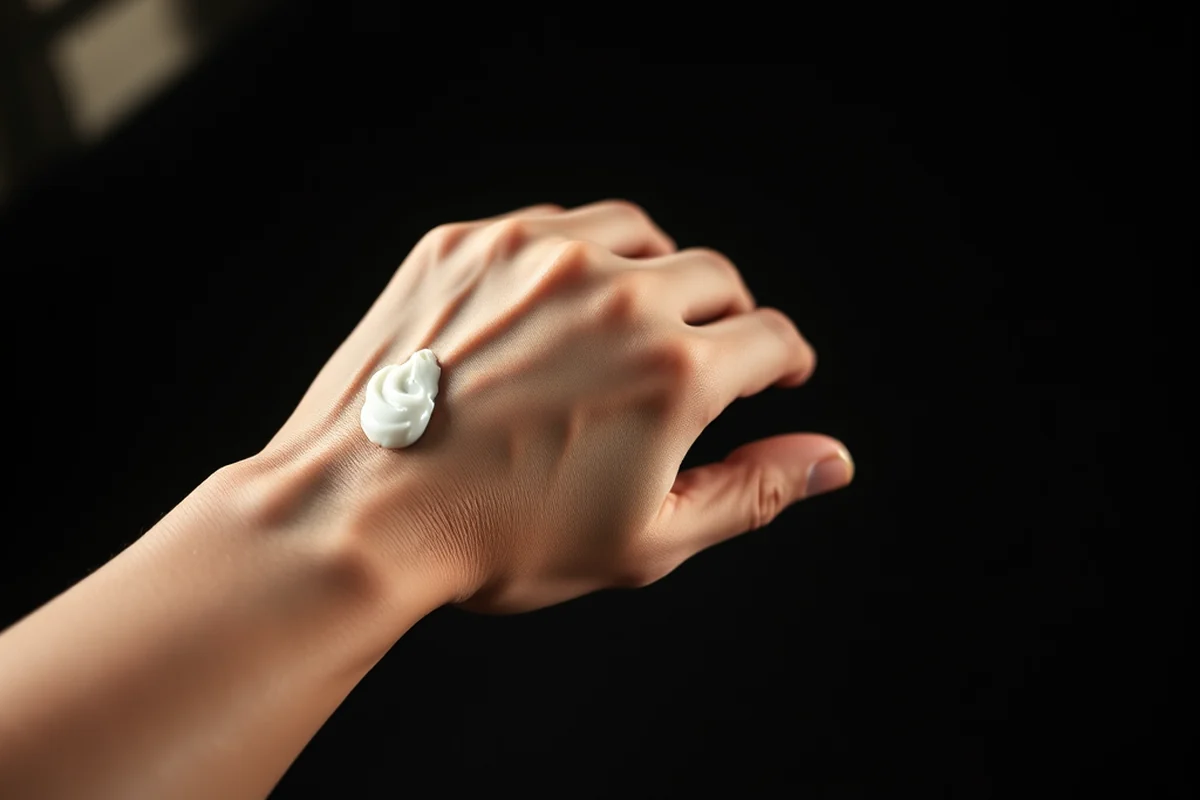
In the first week, I felt my skin become slightly drier, especially if I used a toner or exfoliant. My dermatologist told me this was a common side effect, and that it usually passed within a few days.
Week two was the most challenging. My skin had a slight redness and sensitivity, but I kept applying my routine carefully. I also noticed my makeup looked more natural, which was a small but encouraging sign.
By week three, the redness faded, and my skin felt more supple. I didn’t expect such a dramatic change, but it reminded me that skin needs time to adapt.
Don’t be discouraged by the first few weeks. Your skin is working hard for you.
Related: Affordable skincare layering results timelines
The Power of Consistency in Skincare Layering
I once missed a week of my routine while traveling, and when I returned, my skin felt dull and dry. It took another week of consistency to get back on track. This taught me that showing up daily is key.
Even if you’re using a minimal routine, like a cleanser, toner, and moisturizer, applying them at the same time each day helps your skin get used to the products and their effects.
Consistency also means not switching products too often. My skin reacted negatively when I tried a new serum every week. It’s better to stick with a few trusted products and build up your routine slowly.
Use your phone’s reminder feature to apply your routine at the same time each day. It’s a small habit that can make all the difference.
“I used to think skincare layering was a luxury ritual, something reserved for influencers with endless time and money.”— Glowinlayers editors
Related: Budget skincare layering results timelines
Tracking Progress: How to Measure Your Results
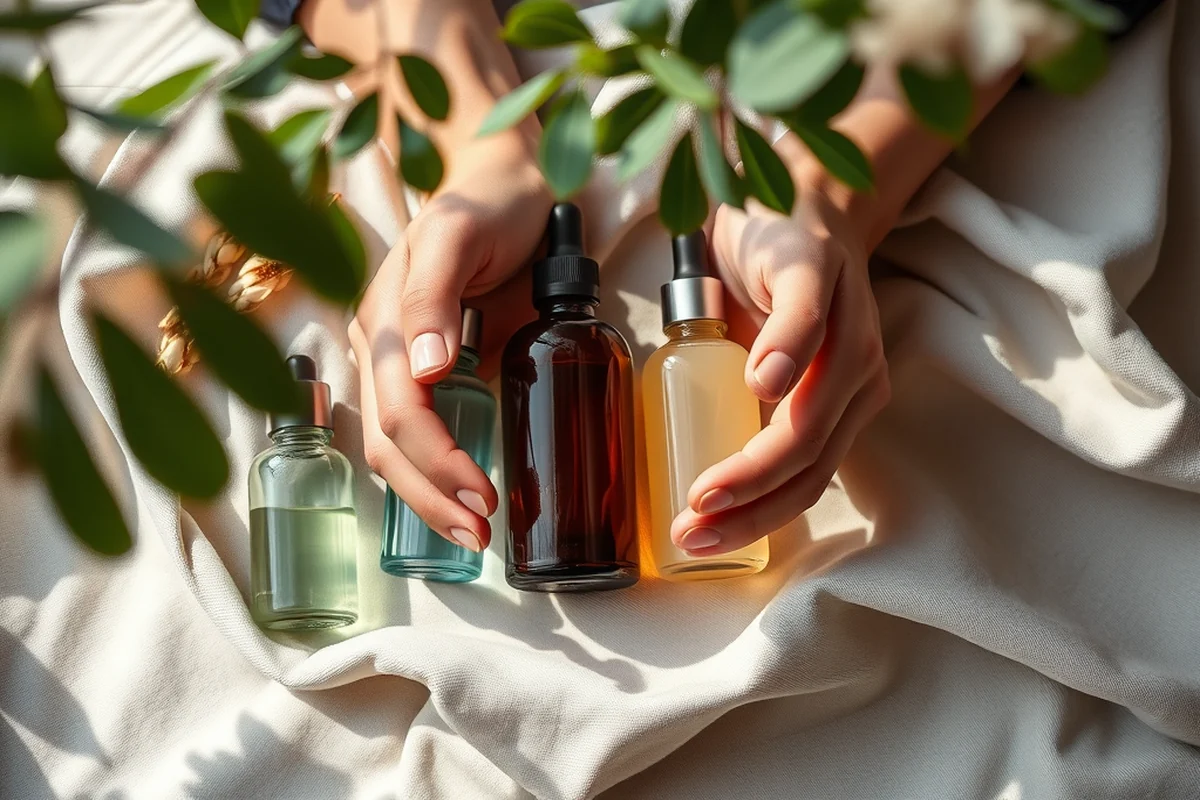
I started taking before-and-after photos every two weeks, which helped me see subtle changes in my skin’s texture and tone. I also kept a journal, noting how my skin felt each morning.
Tracking progress doesn’t have to be complicated. I now use a simple app to log my skincare steps and mood each day, which has helped me identify patterns in my skin’s response to different products.
By tracking, I learned that my skin reacts differently to certain ingredients based on the season. This knowledge has allowed me to adjust my routine for better results throughout the year.
Related: Budget skincare layering timelines
Long-Term Benefits of Skincare Layering
After six months of consistent layering, I noticed a significant improvement in my skin’s texture and elasticity. My pores looked smaller, and my complexion had a natural, healthy glow.
One of the biggest long-term benefits was the reduction in breakouts. My skin was less reactive, and I found that I didn’t need to over-exfoliate as often.
Layering also helped my skin absorb moisture better. I no longer experience the same dry patches in the winter, and I’ve seen a decrease in fine lines over time.
🌸 Sensitive Skin Routine
A gentle approach using barrier-repairing ingredients and minimal actives for those with reactive or easily irritated skin.
💰 Budget-Friendly Routine
A no-frills routine that delivers results without breaking the bank, using drugstore staples and multitasking products.
🧘 Minimalist Routine
A streamlined approach with only three to four products, ideal for those who want simplicity without sacrificing results.
🎯 Targeted Routine
A routine tailored to specific concerns like acne, hyperpigmentation, or aging, using specialized products for each issue.
✨ Maintenance Routine
A long-term routine that focuses on upkeep and maintenance, using nourishing products to keep skin healthy and glowing.
| The mistake | Why it happens | The fix |
|---|---|---|
| Not using sunscreen daily | Sunscreen is essential for protecting your skin from UV damage, but skipping it can undo the benefits of your skincare routine. | Apply a broad-spectrum sunscreen with at least SPF 30 every day, even when it’s cloudy or you’re indoors. |
| Not cleansing properly | Poor cleansing can lead to clogged pores, breakouts, and a dull complexion, making it harder to see results from your layering routine. | Use a gentle cleanser twice daily and make sure to remove all makeup and sunscreen before bed. |
Related: Skincare layering timelines mistakes to avoid
Skincare Layering Results Timelines For Beginners
Related: Skincare layering results for beginners
The Role of Product Compatibility in Layering Outcomes
When I first started layering, I didn't realize how crucial product compatibility is. Using a retinol serum with a harsh toner led to dryness and irritation. It took about three weeks before I noticed the negative effects, but it was a wake-up call. I learned that pH levels, active ingredients, and the order of application matter. For example, using a vitamin C serum before a hyaluronic acid booster can reduce the effectiveness of both if not done correctly. This is a common pitfall for beginners, so taking time to research or consult a dermatologist can save you from unnecessary setbacks.
I now check each product's ingredient list to ensure they don't conflict. For example, I avoid using niacinamide with high concentrations of vitamin C at the same time, as they can neutralize each other. It's also important to consider the texture and absorption rate of products. Lightweight serums should be applied before heavier creams, and oil-based products should go on last. I've noticed that when I follow these guidelines, my skin absorbs the products better and shows visible improvements faster. This knowledge has made my skincare routine more effective and less frustrating.
Another thing I've learned is the importance of patch testing new products before incorporating them into my routine. I apply a small amount to my jawline and wait 24 hours to check for any reactions. It might seem tedious, but it's a small step that can prevent major issues down the line. I’ve avoided breaking out or worsening my acne by doing this. It's easy to get excited about new products, but taking the time to ensure they’re compatible with your existing routine can make all the difference in the long run. This step has become a non-negotiable part of my skincare process.
How Seasonal Changes Affect Skincare Layering Results
I've noticed that my skin behaves differently depending on the season. For example, during the colder months, my skin tends to get drier, and I need to adjust my layering routine accordingly. I started using a richer moisturizer and added a facial oil to my nighttime routine, which helped keep my skin hydrated. In contrast, during the summer, my skin becomes more oily, and I need to use lighter products and increase my exfoliation frequency. This change in skin behavior can be confusing for beginners, so it's important to be flexible with your routine and observe how your skin responds.
Another thing I’ve learned is that sun protection is even more critical in the summer, even if I’m not going outside much. I’ve noticed that not using sunscreen can lead to uneven skin tone and more visible pores. I started using a mineral sunscreen every day, even on cloudy days, which made a noticeable difference in my complexion. It’s also important to adjust the frequency of using active ingredients like retinol and AHAs during the summer, as they can make the skin more sensitive to UV rays. I reduced my retinol use to every other night and saw less irritation.
I also pay more attention to my skin during the transition periods, like when it's moving from winter to spring or summer to fall. These are times when my skin is more prone to reactions, so I keep my routine simple and avoid introducing too many new products. I’ve found that taking a few weeks to let my skin adjust can prevent flare-ups and make the layering process smoother. Overall, being aware of seasonal changes and adapting my routine accordingly has made a huge difference in how quickly I see results from my skincare layering.
Common Questions
How long does it take to see results from skincare layering?
Can I use multiple actives in one routine?
How often should I adjust my skincare layering routine?
What should I do if my skin reacts negatively to a new product?
References
- History Of Whoo Skincare Steps (jfd.jacksonms.gov)
Cite this guide
Glowinlayers (2026). Skincare Layering Results Timelines For Beginners. https://glowinlayers.com/skincare-layering-results-timelines-for-beginners/
Feel free to cite or share this guide.