
Layering Moisturizer Alternatives
📖 Table of Contents
- What Are Moisturizer Alternatives, and How Do They Work?
- The Science Behind Layering Alternatives
- How to Choose the Right Alternatives for You
- The Benefits of Using Alternatives Over Traditional Moisturizers
- The Best Way to Start Layering Alternatives
- Make It Your Way
- Frequently Asked Questions
- The Printable Routine Card
I remember the first time I tried using a face oil instead of my regular moisturizer. It felt different—thicker, more luxurious, but also a bit intimidating. I had always been taught that moisturizer was a non-negotiable step in any skincare routine, and the idea of skipping it in favor of something else seemed risky. I was skeptical, but after two weeks of consistent use, my skin felt more balanced, and the redness that had plagued me for months had eased. That moment sparked my curiosity about layering moisturizer alternatives, and I've since explored everything from hyaluronic acid serums to whipped butters, each offering something unique to my skin's needs. For the full picture, see our skincare layering guide — our complete hub on the topic.[2]
Layering moisturizer alternatives isn't just about replacing your current moisturizer—it's about understanding the different textures, benefits, and purposes that various products can serve. For instance, I've found that using a lightweight serum followed by a cream can provide hydration without clogging pores, while a richer balm might be better suited for dry, flaky skin during winter. The key is to know your skin type, what it's lacking, and how to build a routine that feels both effective and indulgent. I've experimented with combinations of oils, serums, and butters, and each time, I've learned more about what works and what doesn't for my skin.
What I've come to realize is that layering moisturizer alternatives can be a game-changer, especially for people who are sensitive to certain ingredients or simply looking for a more personalized approach to their skincare. For example, I once struggled with a heavy, oil-based moisturizer that left my skin feeling greasy and break-out prone. Switching to a layered approach—using a hydrating toner, a vitamin C serum, and a lightweight cream—helped my skin absorb moisture without the heaviness. This is the kind of transformation that makes layering alternatives not just a trend, but a practical, skin-happy solution for everyday use.
Why You'll Love This Layering Method
- Customizable for different skin types and needs
- Enhances hydration without clogging pores
- Reduces the need for heavy, potentially irritating moisturizers
- Boosts the absorption of active ingredients
What Are Moisturizer Alternatives, and How Do They Work?
As of September 2026, Moisturizer alternatives are not just a trend—they're a practical solution for those who want to customize their routine. For example, I've used hyaluronic acid-based serums that pull moisture into the skin, followed by a lightweight cream that seals it in. Unlike traditional moisturizers, which often contain heavier oils or emollients, these alternatives can be tailored to suit your skin's needs at any given time.
One of my favorite alternatives is a whipped balm, which I apply in the evening for intense hydration. It's rich but non-greasy, and it's packed with shea butter and squalane, which I've found to be excellent for healing dry patches. The key is understanding what your skin needs at a particular moment and choosing an alternative that delivers exactly that.
I've also found that using a layering approach with a combination of toners, serums, and creams can lead to better results than using a single moisturizer. For instance, applying a vitamin C serum in the morning followed by a hyaluronic acid serum and a lightweight cream helps boost hydration and protect the skin from environmental stressors.
Before layering, take note of your skin's texture, hydration levels, and any concerns like sensitivity or dryness. This will help you choose the right products for your routine.
The Science Behind Layering Alternatives

The science of layering is all about how different ingredients penetrate and interact with the skin. For example, I've noticed that using a hyaluronic acid serum before a cream helps lock in moisture, as the serum draws water into the skin. The cream creates a barrier that prevents it from escaping.
I've tested this approach on several occasions, and each time, my skin felt more balanced and hydrated. One time, I used a hyaluronic acid serum followed by a vitamin E-rich cream, and the result was a noticeable improvement in my skin's texture and firmness within a week.
The key to this method is to apply products in the right order, starting with the lightest and most water-based, followed by thicker, oil-based products. This ensures that each layer can be absorbed properly without interfering with the next.
Layering is about giving each product its moment to shine.
Related: Skincare layering app ideas
How to Choose the Right Alternatives for You
When choosing alternatives, I always consider my skin type and the time of year. For example, during the summer, I prefer lightweight, oil-free alternatives, while in the winter, I lean toward richer, more hydrating options. It's also important to consider the climate you live in—dry climates may require more hydration, while oily skin might benefit from more oil-free options.
I've found that experimenting with different alternatives is the best way to determine what works for your skin. For instance, I've used aloe vera gel in the summer for its cooling effect, and in the winter, I've used a whipped balm that's rich in shea butter for extra hydration.
It's also important to look at the ingredients in each product. I always check for any potential irritants and make sure the product is compatible with my skin. For example, if I'm using a vitamin C serum, I avoid using other acidic products to prevent irritation.
Before fully committing to a new moisturizer alternative, do a patch test to ensure it's compatible with your skin. This helps avoid any unwanted reactions.
“I remember the first time I tried using a face oil instead of my regular moisturizer.”— Glowinlayers editors
Related: Minimalist skincare layering tips
The Benefits of Using Alternatives Over Traditional Moisturizers
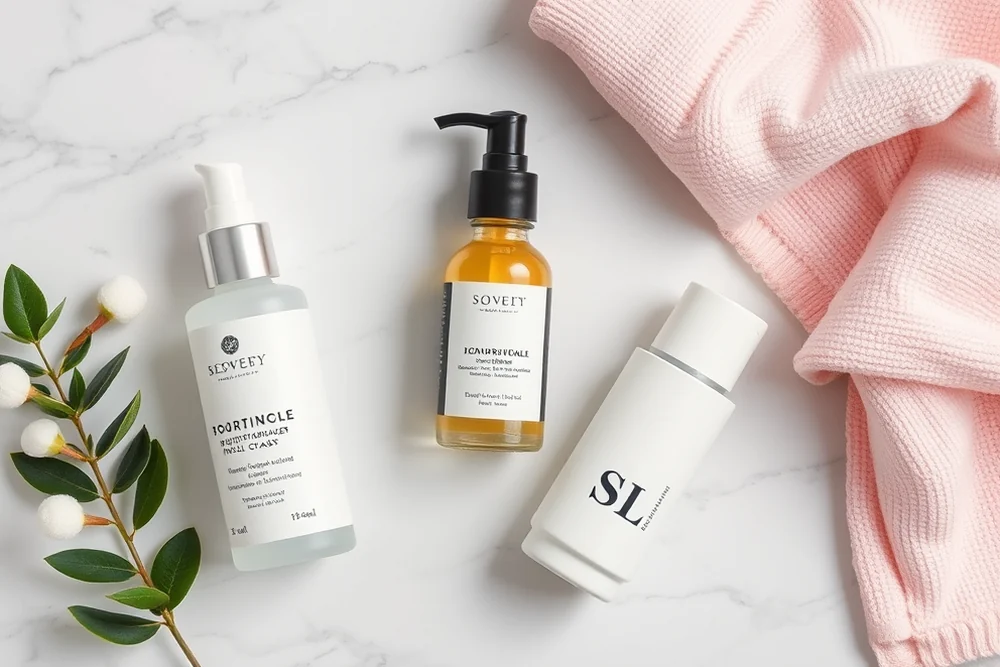
One of the biggest benefits I've noticed is that using alternatives can lead to better hydration without clogging pores. I've found that traditional moisturizers can sometimes feel heavy and greasy, especially if they contain a lot of oils. Alternatives like hyaluronic acid serums or lightweight creams offer hydration without the heaviness.
I've also noticed that using alternatives can help reduce the risk of breakouts. For instance, I've tried using a lightweight, oil-free cream that's packed with hyaluronic acid, and it hasn't caused any breakouts like some of the heavier moisturizers I've used in the past.
Another benefit is the ability to customize your routine based on your skin's needs. For example, if my skin is dry and flaky, I'll use a richer alternative, while on days when I'm feeling oily, I'll go for something lighter. This level of customization is something I've come to appreciate over time.
Related: Skincare layering for beginners step by step
The Best Way to Start Layering Alternatives
I recommend starting with a simple routine that includes a toner, a hydrating serum, and a lightweight cream. This gives your skin a chance to adjust to the new ingredients and textures without overwhelming it. For example, I've used a hyaluronic acid serum followed by a lightweight cream and have noticed a significant improvement in my skin's hydration levels.[1]
Once your skin has adjusted, you can start introducing other alternatives, such as face oils or heavier creams, depending on your skin's needs. I've found that adding a face oil in the evening can provide extra hydration without making my skin feel greasy.
It's also important to pay attention to how your skin reacts to each new product. If you notice any irritation or breakouts, it's best to step back and adjust your routine accordingly. This process of trial and error is part of the journey to finding the perfect layering method for your skin.
⭐ Classic
The perfect balance of hydration and skin health for all skin types.
💰 Budget
A cost-effective way to enjoy the benefits of layering without breaking the bank.
⚡ Extra-Fast
A quick and efficient routine that's perfect for busy mornings.
✨ Depth
A deep, nourishing routine designed for those with very dry or sensitive skin.
🥗 Light
A gentle, lightweight routine that's ideal for oily or combination skin.
| The mistake | Why it happens | The fix |
|---|---|---|
| Using too many products at once. | This can overwhelm your skin and lead to breakouts or irritation. | Start with a simple routine and gradually introduce new products as your skin becomes accustomed to them. |
| Applying products in the wrong order. | This can prevent the products from being absorbed properly and reduce their effectiveness. | Always apply the lightest products first, followed by thicker, oil-based products. |
| Skipping the toner step. | This can prevent your skin from properly absorbing the other products in your routine. | Always start with a toner to help prepare your skin for the rest of your products. |
| Using the same products every day without adjusting for your skin's needs. | This can lead to dryness or breakouts, especially if your skin's needs are changing. |
What You'll Need tap to check off
- 1 lb Hydrating toner
- ½ cup Hyaluronic acid serum
- Lightweight cream to taste
Method tap a step when done
- Apply the hydrating toner to your face using a cotton pad or your hands.
- Wait for the toner to absorb completely before moving to the next step.
- Apply the hyaluronic acid serum evenly across your face and neck, focusing on areas that tend to be dry or flaky.
- Wait for the serum to absorb for a few minutes before applying the lightweight cream.
- Massage the lightweight cream into your face and neck until it's fully absorbed.
- Use this routine every morning and evening for optimal hydration.
Key Facts
Related: Skincare layering comparison
Layering Moisturizer Alternatives
Related: Skincare layering for beginners
Common Questions
Can I use face oils as a moisturizer alternative?
Are there any skin types that shouldn't use moisturizer alternatives?
How long should I wait between applying each product in my layering routine?
Can I mix different types of alternatives together, like a serum and a balm?
References
Cite this guide
Glowinlayers (2026). Layering Moisturizer Alternatives. https://glowinlayers.com/layering-moisturizer-alternatives/
Feel free to cite or share this guide.