
What Is A Skin Care Routine
📖 Table of Contents
The first time I noticed my skin looked dull, I was standing in the bathroom, staring into the mirror after a long day at work. I had washed my face, applied a layer of moisturizer, and called it a night. But the next morning, my skin still felt tight and looked like it hadn’t been touched in weeks. That’s when I realized I had no idea what a skincare routine actually was—or how to build one that worked for my skin. I started researching, buying products, and experimenting with different combinations, eventually creating a routine that changed how I saw myself. Now, I want to share that knowledge with you.
A skincare routine is more than just a list of products you buy at the drugstore. It's a thoughtful, intentional process that involves understanding your skin type, identifying your concerns, and applying the right treatments in the right order. I’ve tried everything from over-the-counter acne treatments to high-end serums, and I’ve learned that not all products are created equal. A good skincare routine is about consistency, not just the products you use. And it’s not just about looking good—it’s about feeling good in your own skin.
Over the past few years, I’ve developed a skincare routine that takes about 10 minutes in the morning and 15 minutes at night. It includes cleansing, toning, moisturizing, and applying a serum that targets my specific concerns. I’ve noticed that my skin is more even in tone, less prone to breakouts, and has a healthier glow. I know that not everyone’s skin is the same, but I believe that anyone can create a skincare routine that works for them. And that’s what this article is all about.
Why You'll Love This Guide to a Skin Care Routine
- Learn how to build a personalized routine that fits your lifestyle and skin type.
- Get clear, actionable steps on how to layer products correctly for maximum effectiveness.
- Discover the science behind key skincare steps and why they matter.
- Avoid common pitfalls that can harm your skin and waste your time and money.
What Exactly Is a Skin Care Routine?
As of September 2026, a skincare routine is a structured daily habit that includes cleansing, toning, moisturizing, and applying serums or treatments. It’s not about buying the most expensive products, but about understanding your skin’s needs and applying the right steps in the right order. I’ve learned that a good routine can take just 10 minutes in the morning and 15 minutes in the evening. It’s about consistency, not perfection.[1]
I used to think that a skincare routine had to be complicated, with tons of products and steps. But after a few months of experimenting, I found that a simple routine with three to four key products can make a huge difference. It’s not about the number of products, but the quality and the way you apply them. My morning routine now includes a cleanser, a vitamin C serum, and a moisturizer, while my evening routine includes a cleanser, a retinol serum, and a hyaluronic acid moisturizer.
Consistency is key with building a skincare routine. I used to skip steps or change products too often, which only confused my skin. Now, I follow a routine every day, and I’ve noticed that my skin is more even in tone and less prone to breakouts. It’s like training your skin to be healthier and more resilient over time.
If you have oily skin, avoid heavy, greasy moisturizers. For dry skin, look for hydrating formulas with hyaluronic acid or ceramides. Always patch test new products before applying them all over your face.
Part of our Skin care guide.
Why a Skincare Routine Matters
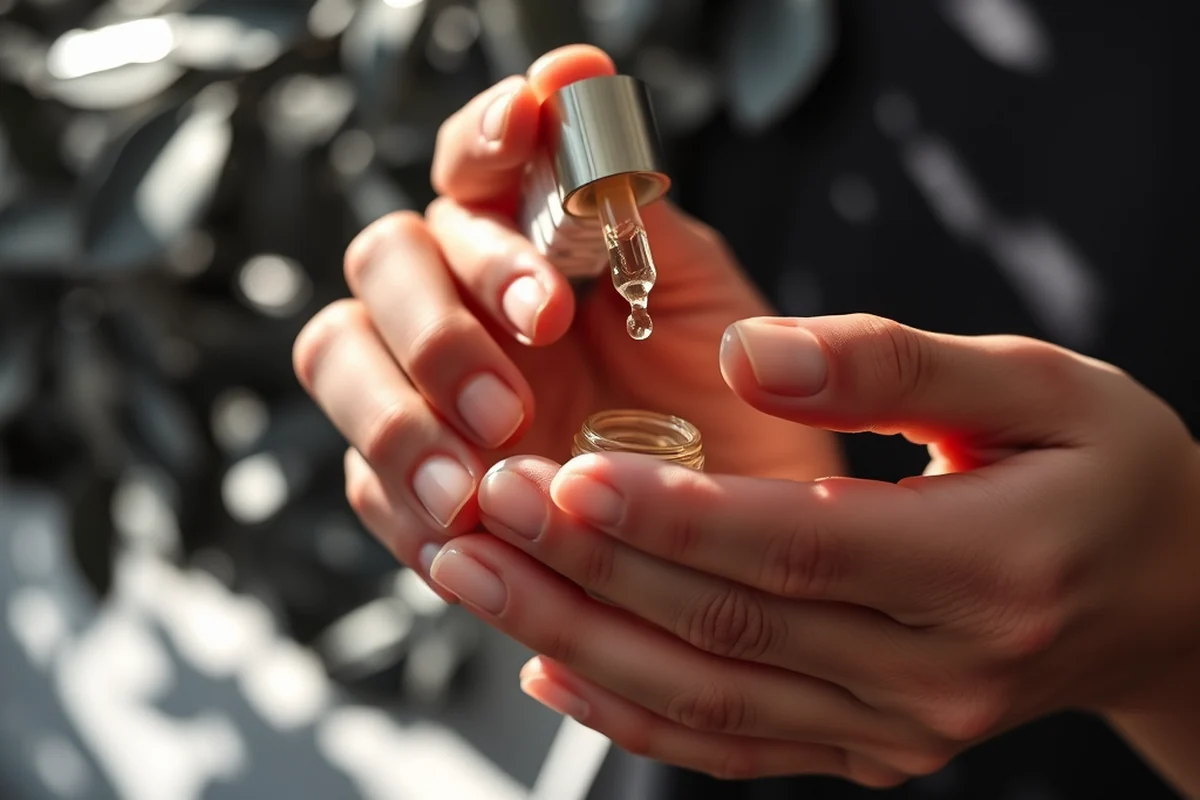
A skincare routine is like a daily workout for your skin. Just as you wouldn’t skip a workout if you wanted to stay healthy, you shouldn’t skip your skincare steps if you want to maintain clear, healthy skin. I’ve noticed that when I skip a day, my skin feels dull and tight, and I’m more prone to breakouts. But when I stick to my routine, my skin feels balanced and looks more even in tone.
I used to think that skincare was only for people with serious skin issues. But after a few months of following a routine, I realized that even people with average skin can benefit from a structured skincare habit. My skin was never bad, but I had dry patches and occasional breakouts. Now, with a consistent routine, I’ve managed to reduce those issues significantly.
A skincare routine can also improve your mood and confidence. When I look in the mirror and see clear, even skin, it makes me feel more confident in my own skin. I’ve noticed that people comment on my skin more often, and I think it’s because I’ve taken the time to care for it properly.
Your skin is your first layer of armor. Treat it with care.
Related: What is skinbetter science
The Basics: What Every Routine Needs
Cleansing is the foundation of any skincare routine. I used to skip it in the morning because I thought my skin didn’t need it. But I quickly learned that even if you didn’t have makeup on, your skin can accumulate dirt, oil, and sweat throughout the day. Now, I always start my morning with a gentle cleanser and end my night with a cleanser that removes makeup and sunscreen.
Moisturizing is another essential step. I used to think that moisturizer was only for dry skin, but I’ve learned that even oily skin needs hydration. My skin used to feel tight and dry after cleansing, so I started using a lightweight moisturizer that hydrates without clogging pores. Now, my skin feels balanced and doesn’t break out as much.
Sun protection is one of the most important steps in any skincare routine. I used to skip it on cloudy days, thinking that the sun wasn’t strong enough to damage my skin. But after a few months of using sunscreen daily, I noticed that my skin looked more even in tone and had fewer dark spots. I now use a broad-spectrum sunscreen with SPF 30 or higher every day, even if I’m staying indoors.[2]
Sunscreen is one of the most important steps in any skincare routine. It protects your skin from UV rays, which can cause premature aging and skin cancer. Apply it every day, even on cloudy days, and reapply every two hours if you’re outdoors.
“The first time I noticed my skin looked dull, I was standing in the bathroom, staring into the mirror after a long day at work.”— Glowinlayers editors
Related: Korean skin care
How to Build Your Own Skincare Routine
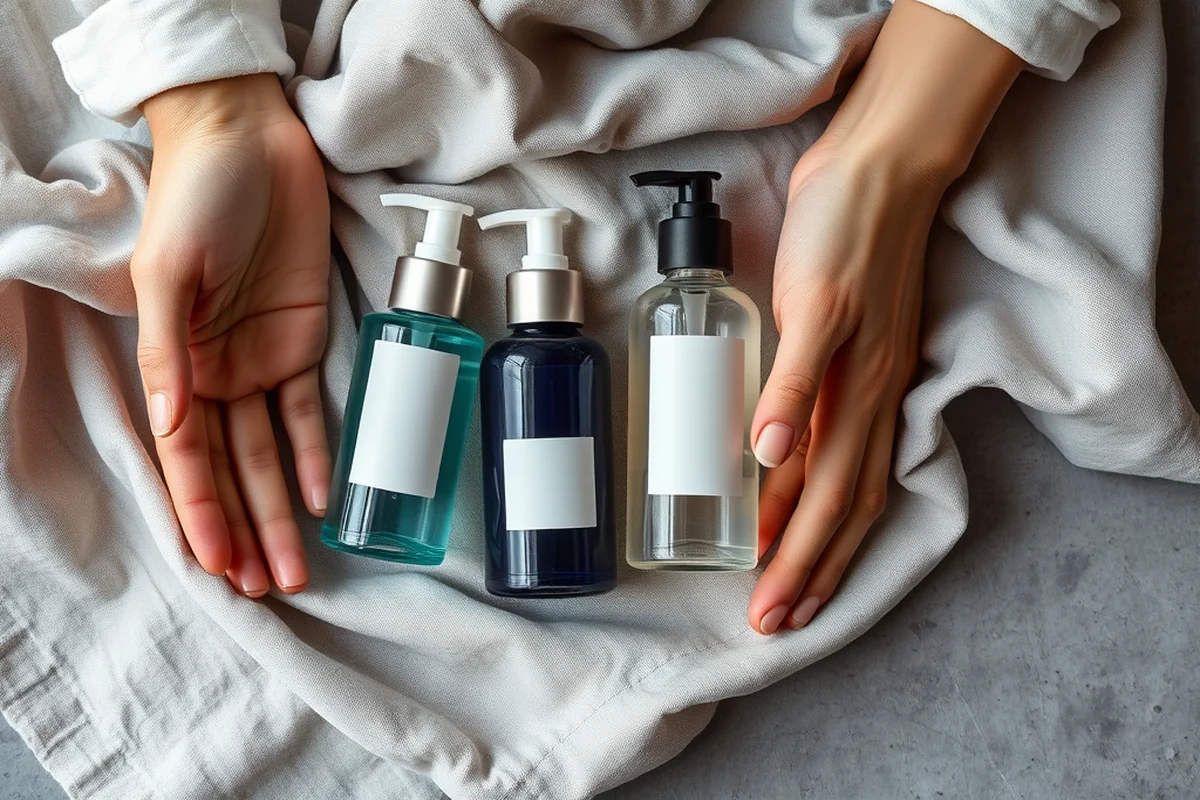
I used to think that building a skincare routine was complicated, but it’s actually pretty simple. The first step is to identify your skin type—whether it’s oily, dry, combination, or sensitive. Once you know your skin type, you can choose products that work best for it. I have combination skin, so I look for products that balance oil and hydration.
Next, identify your skin concerns. Are you dealing with acne, dryness, aging, or hyperpigmentation? Once you know your concerns, you can choose products that target those issues. I used to have occasional breakouts, so I started using a salicylic acid cleanser and a retinol serum to help prevent and treat them.
Finally, build your routine step by step. Start with the basics—cleansing, moisturizing, and sun protection—and then add targeted treatments as needed. I’ve found that adding a vitamin C serum in the morning and a retinol serum at night has made a huge difference in the health of my skin.
Related: Zo skin care
The Order of Skincare Steps
I used to apply my skincare products in random order, which didn’t work very well. After doing some research, I learned that there’s a specific order in which skincare products should be applied to get the best results. I now follow a simple rule: cleanser first, then toner, then serum, then moisturizer, and finally sunscreen in the morning.[3]
I’ve noticed that following this order makes a big difference in how my skin feels and looks. When I apply a serum after a toner, it absorbs better into my skin, and when I follow it with a moisturizer, it locks in the hydration. I also use a vitamin C serum in the morning, which helps brighten my skin and protect it from environmental stress.
It’s important to apply products in the right order, even if you’re using a minimal routine. I’ve found that following the correct order helps my skin absorb products better and prevents irritation. It’s like creating a roadmap for your skin to follow, ensuring that each product works as effectively as possible.
Related: Men s skin care
How Much Time Should You Spend on Skincare?
I used to think that a skincare routine had to take a long time, but I’ve learned that even a quick routine can make a big difference. A basic routine can take as little as 5 minutes, while a more complex one can take up to 20. I now spend about 10 minutes in the morning and 15 minutes in the evening on my skincare, which is enough time to keep my skin healthy and balanced.
I used to spend a lot of time on skincare, trying to use as many products as possible. But I found that it was overwhelming and didn’t make a difference in the health of my skin. Now, I focus on a few key products and steps that work best for my skin type and concerns.
The key is to find a routine that fits your lifestyle and schedule. If you’re short on time, a quick routine with a few essential products can still be effective. If you have more time, you can add more steps and products to enhance your results.
Quality over quantity is the way to go when it comes to skincare.
Related: Eco friendly skincare routine
What to Avoid in a Skincare Routine
I used to think that using more products meant better results, but I’ve learned that using too many at once can actually irritate your skin. I used to apply several serums and treatments in the same step, which made my skin red and dry. Now, I follow a simple routine with a few key products that work well together.
I also used to skip essential steps like cleansing and moisturizing because I thought they weren’t important. But I’ve learned that those steps are crucial for maintaining healthy skin. My skin used to feel dry and tight after cleansing, so I started using a lightweight moisturizer that helps lock in hydration.
I’ve also learned to avoid using expired or low-quality products. I used to buy skincare products that were on sale without checking the expiration date, which led to breakouts and irritation. Now, I always check the expiration date before using a product and only use high-quality, trusted brands.
🌸 Sensitive Skin Routine
A gentle, fragrance-free routine for those with sensitive or reactive skin.
💰 Budget-Friendly Routine
A low-cost, effective routine with affordable, drugstore-friendly products.
🧼 Minimalist Routine
A no-frills, time-efficient routine with only the most essential products.
🎯 Targeted Routine
A routine designed for specific concerns like acne, aging, or hyperpigmentation.
🔄 Maintenance Routine
A routine designed to maintain healthy, balanced skin and prevent future issues.
| The mistake | Why it happens | The fix |
|---|---|---|
| Using too many products at once | Using too many products at once can overwhelm your skin and cause irritation or breakouts. | Stick to a simple routine with a few key products that work well together. Introduce new products one at a time and monitor how your skin reacts. |
| Skipping essential steps | Skipping steps like cleansing, moisturizing, or sun protection can lead to dry, dull, or irritated skin. | Include all essential steps in your routine, even if you’re short on time. Use a quick cleanser and a lightweight moisturizer to keep your skin healthy. |
| Using expired or low-quality products | Expired or low-quality products can be ineffective or even harmful to your skin. | Check the expiration date on your products before using them, and only use trusted, high-quality brands that are formulated for your skin type. |
| Not patch testing new products | Not patch testing new products can lead to allergic reactions or skin irritation. | Always patch test new products on a small area of your skin before applying them all over your face. Wait 24 hours to see if there’s any reaction before using them regularly. |
What Is A Skin Care Routine
Common Questions
How do I know which skincare products are right for my skin type?
Can I use the same skincare products in the morning and evening?
How long does it take to see results from a skincare routine?
What should I do if my skin starts to react to a new product?
References
- Randomised Controlled Trial of an Antioxidant and Sunscreen ... (clinicaltrials.gov)
- Skin care for aging skin: Minimizing age spots, wrinkles, and ... (health.harvard.edu)
- The impact of skin care products on skin chemistry and microbiome ... (pmc.ncbi.nlm.nih.gov)
Cite this guide
Glowinlayers (2026). What Is A Skin Care Routine. https://glowinlayers.com/what-is-a-skin-care-routine/
Feel free to cite or share this guide.